

Securing our Elections Starts with Verified Voters.
Oregon’s IP37 is a grassroots, citizen-led effort focused on transparent, locally accountable elections.
Our goal is to protect every voter’s voice and ensure election results are clear, understandable, and trusted. Championed, funded, and supported by Oregonians, IP37 restores the common-sense safeguards that strengthen confidence in our elections without favoring any political party or faction.
Our opponents say that IP37 eliminates vote by mail. It does not. If IP37 passes, all Oregonians who need to vote by mail still can. They simply need to be verified in a manner similar to purchasing age restricted items, taking a commercial flight, or opening a bank account.
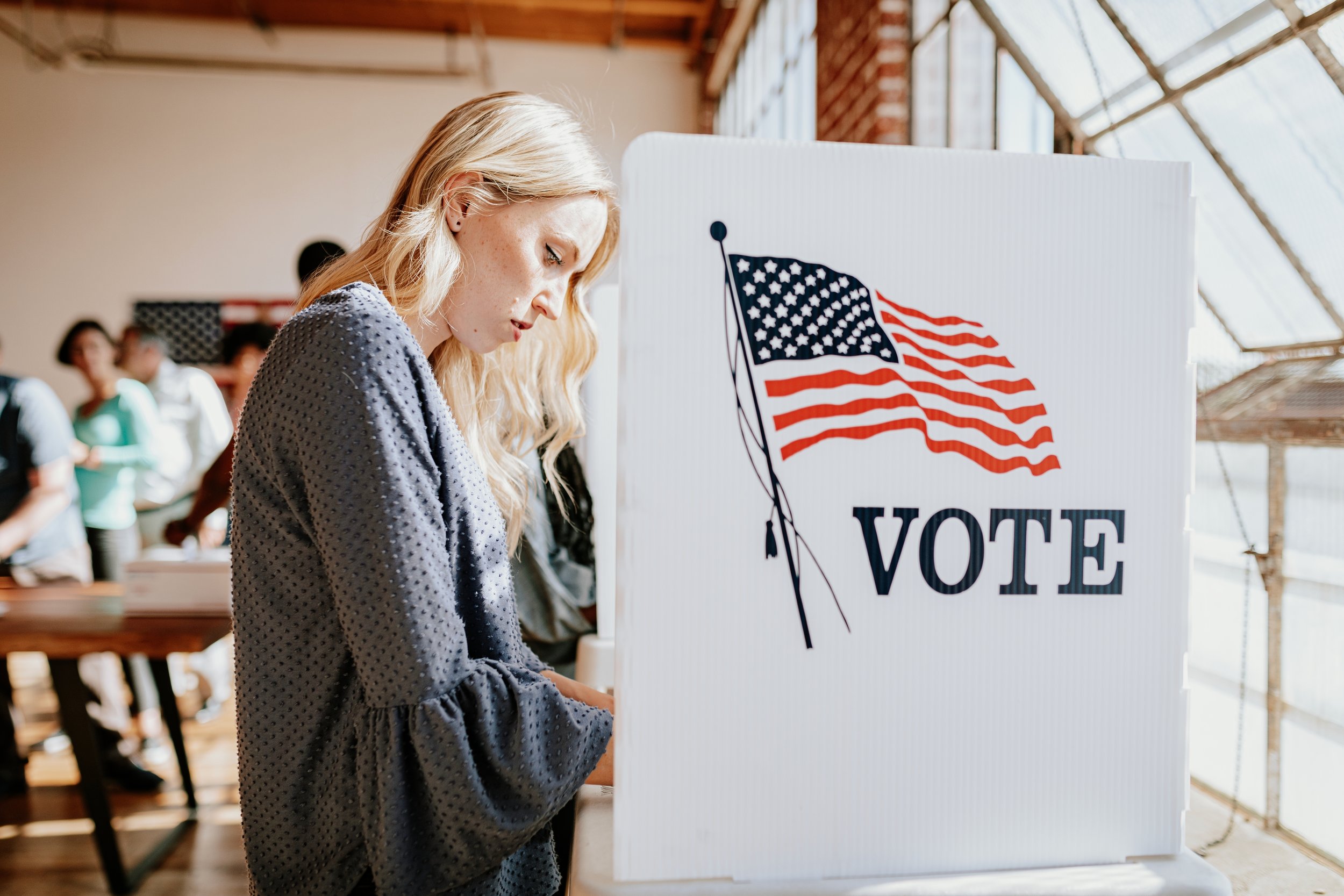
Let’s Have a Conversation…
Oregon is long overdue for a thoughtful, statewide conversation about how our elections are conducted and how public confidence is maintained. Oregon was a national pioneer in vote-by-mail in the early 1990s, and for many years it served voters well. Like any long-running system, it is reasonable—and healthy—to periodically review whether it is still meeting the needs and expectations of voters today.
Oregonians hold a wide range of views about our election system. Some have strong confidence in how elections are run. Others have questions and concerns. Rather than dismissing either perspective, IP37 starts from a simple premise: elections work best when they are clear, transparent, and trusted by the public.
IP37 gives voters the opportunity to decide whether Oregon’s current approach strikes the right balance—or whether common-sense changes would better support confidence, accountability, and local oversight. The measure emphasizes voting together, in person, as the primary method, while preserving secure options for voters who legitimately need alternatives.
The following section explains how IP37 would affect Oregon’s election system and what it could mean for your voting experience.
Oregon’s IP37 Explained:
One Election Day
Elections are held on a single day, designated a state holiday.
Results are based on votes cast the same day. Not two-weeks prior. Not 7 days after.
Creates a clear, unifying moment for civic participation and accountability.
Why it matters: One Election Day reduces confusion, limits ballot handling over long periods, and strengthens public trust in the outcome.
In-Person Voting with Secure Vote by Mail
Voting is primarily conducted in-person for registered voters.
Absentee vote by mail is still available, by verified request, for all citizens who need it.
Equal security standards apply to absentee ballots and in-person voting.
Why it matters: Mail-in ballots can be delayed, lost, or require curing, which may prevent a vote from being counted if a voter cannot respond in time. In-person voting allows issues to be resolved immediately, reducing errors and helping ensure every eligible vote is counted.
Proof of Citizenship to Register
Voters must provide proof of U.S. citizenship when registering.
Ensures that only eligible citizens participate in elections.
Matches standards already used in many other areas of public life.
Why it matters: Citizenship verification helps maintain accurate voter rolls and ensures every eligible vote carries equal weight.
Photo ID to Vote
Voters present valid photo identification at the polls.
Provisional ballots are available when questions arise.
Absentee (vote by mail) ballots also require photo ID verification.
Why it matters: Photo identification confirms voter identity, reduces the risk of error or impersonation, and helps ensure elections are fair, accurate, and trusted.
Hand Counting of Ballots - No Machines
All votes are cast on paper ballots.
Ballots are hand-counted at the precinct level.
Counting is completed by 8PM on election day.
No machines.
Why it matters: Paper ballots and local hand counts are transparent, auditable, and easy for the public to observe, understand, and trust.
Chain of Custody for Every Ballot
Ballots are tracked and secured at every stage of the process.
Clear custody rules apply before voting, during voting, counting, and through storage.
Reduces the risk of loss, tampering, or unauthorized access.
Why it matters: Chain-of-custody rules protect ballots from start to finish, using the same accountability standards applied to evidence in a court of law.
Full Public Transparency After Elections
Counties archive all ballots and election records.
Records are made available to the public at no cost.
Includes vote totals, voter rolls, and who voted.
Data is provided electronically and without redactions.
Why it matters: Transparency allows the public to verify results independently — strengthening confidence across political lines.
Locally Controlled Voter Rolls
Counties maintain and manage their own voter rolls.
Duplicate registrations across counties are identified and removed.
Keeps voter lists accurate and up to date
Why it matters: Clean voter rolls prevent errors, confusion, and misuse to ensure elections only record the will of real, eligible voters.
U.S. Election Day Becomes State Holiday
Election Day becomes a state holiday.
Makes in-person voting easier for working Oregonians.
Encourages participation without sacrificing security.
Why it matters: Voters shouldn’t have to choose between civic duty and their job.